
Harmonicode.com is a gaming website covering esports, retro gaming and video games, not a coding school or a music tool, even though the name suggests both. The explanation below sorts out what the name means, what the pages show, and how to reach the site and avoid look-alike addresses.
| What harmonicode is | A gaming news and features site |
| Main sections | Everything Esports, Retro Gaming, Video Gaming |
| Tagline on the page | “Code in harmony” |
| Named people | Pete Greenaway (founder) and Bob Stevens (publisher and editor), per the About page |
| Contact route | A form and an email address on the Contact page |
| Phone number | None seen |
What harmonicode com is, in plain terms
People type harmonicode com, harmonicode .com or even harmonicodecom as one run-on word, and every one of those forms leads to the same place: a WordPress-style site with a light and dark mode switch, a search box and a short menu of Home, Everything Esports, Retro Gaming, Video Gaming, About The Team and Contact.
The About page describes the project as a destination for esports, retro gaming and video games. It promises coverage of tournaments, teams and players, a nostalgic look at older games, and news on new releases and industry trends. That is the whole stated purpose. There is no software to download, no course to enrol in and no account to create on the pages read.
Why the harmonicode name sounds like code or music
The word joins “harmonic” and “code”, and each half pulls the reader in a different direction. “Harmonic” suggests sound and music theory; “code” suggests programming. The site’s tagline, “Code in harmony”, leans on that wordplay, and the footer slogan “All Code With Us” does the same.

Neither half describes the content. Some articles in the feed play with the confusion, with titles about sound-based code or code snippets, but the site’s navigation and About page keep returning to gaming. Anyone looking for programming tutorials or audio tools should not expect to find them in the menu.
How the www harmonicode .com spellings map to one address
Search queries pick up every punctuation habit. The ones seen most are listed here with what they mean.
- harmonicode by itself is the brand name, used in headlines and the footer line “Harmonicode.com”.
- harmonicode .com and www. harmonicode .com are the address with spaces inserted, usually from copy and paste.
- www. harmonicode com and www harmonicode .com drop a dot or swap a space for one. A browser will not open them, but a search engine reads the intent.
- harmonicodecom is the same thing with every separator removed.
The correct form to type into a browser is the plain domain with no spaces. Modern browsers add the “www” part on their own where it is needed, so you rarely have to type it.
What readers find under harmonicode
Each of the three menu sections works as a category page, and the home page repeats the most recent posts across them with dates and reading times.
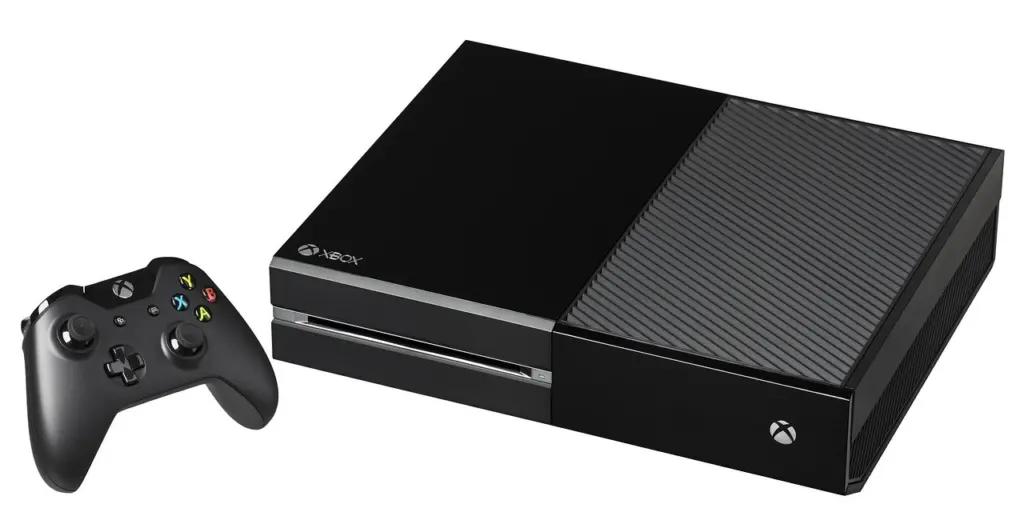
Everything Esports follows tournaments and players. Retro Gaming looks back at older titles and the people who still play them. Video Gaming handles releases, industry trends and general commentary, including a few essays on how modern games compare with each other. The home page also runs a set of “how to” headings aimed at readers, such as how to find gaming guides, how to browse the video gaming archive and where to find esports coverage.
A handful of posts in the feed sit outside those three sections, on business and other subjects, and a few carry the names of different authors from the two people on the About page. The site does not explain how outside posts are chosen. Readers who want only gaming should stay inside the three menu sections.
Newcomers often ask where to begin. A sensible route is the Video Gaming section for recent releases, then Retro Gaming if older titles interest you, with Everything Esports reserved for tournament season. Reading time labels on each post, from three minutes up to nine, make it easy to pick a quick read or a longer essay. The home page also keeps an “Editor’s Picks” row, which is the closest thing the site has to a front-page selection, although it does not explain how those picks are made.
How to reach the harmonicode team
The Contact page shows a short form with first name, last name, email and an optional message, and says feedback, partnership questions and general inquiries are welcome by email. The address itself is concealed by an anti-spam script in the downloaded page, so copy it from the live site. A postal address is printed on the About and Contact pages. No phone number appears anywhere that was read.
The site says it is committed to answering emails promptly but gives no time frame. Keep your message short, name the page you are writing about, and leave out passwords and payment details.
Staying clear of look-alike harmonicode addresses
Because the name is easy to misspell, near-matches turn up in the site’s own feed, where articles carry titles with extra letters or an added “s” or “d” at the end. Those are spellings, not proof of other working sites, but the habit shows how easily readers can mistype.
- Type the address yourself and check the browser bar before entering anything in a form.
- Ignore sites that ask you to install a “harmonicode” app, plugin or tool; none is offered on the pages read.
- Be cautious with emails that claim to come from the team and ask for login details. A news site has no accounts for readers on the pages seen.
If you want a quick sanity check on any article you land on, ask three questions. Is the author named? Is the date shown? Does the post link its claims to an official release note or a tournament page? On the pages read, dates and reading times are shown on the home feed, which is a good habit; links back to primary sources were not checked.
What harmonicode does not say about itself
The About page tells the founder’s story in general terms, but it gives no founding date, company name or funding. It describes Bob Stevens as a publisher, editor and esports fan, and Pete Greenaway as a passionate gamer who started the site. Whether either person still writes the posts is not stated, and bylines on the feed list other contributor names. Nothing says how the site makes money, whether links in posts are paid for, or how often it publishes.
For a gaming news site these gaps are common, and they do not signal a problem. They do mean the reader should weigh the content as opinion and commentary, and check release dates, patch notes and tournament results against official sources.