

defstartup org is a gaming and tech website, not a software company, despite the “startup” in its name. It runs on WordPress and publishes console, PC and tech help articles.
| Common confusion | What the site shows |
|---|---|
| Is it a startup? | No company description appears on its About page; it presents itself as a gaming and technology news site |
| What does it cover? | Console gaming, PC gaming and tech help |
| Is it a game or an app? | No, it is an article site with a search box and a light/dark switch |
| How do I contact it? | An email address and a message form |
What defstartup actually publishes
The tagline on the home page is “Unleash Your Gaming Potential with Expert PC and Console Assistance”. The menu shows three categories: Console Gaming, PC Gaming and Tech Help, followed by About Us and Contact Us. Most of what sits under them is explanatory writing in the style of 2026 guides, with a Key Takeaways block at the top and short paragraphs underneath.
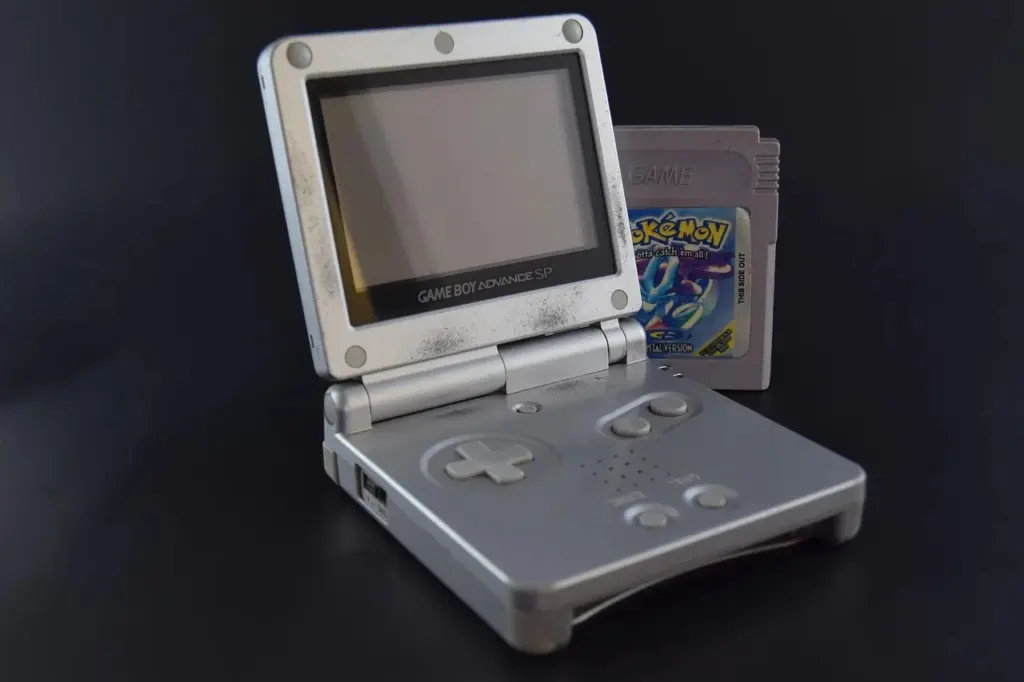
Articles dated August and September 2026 include a guide to console gaming events and setup, a piece on preserving retro consoles and games, a primer on which console came first, a guide to financing a gaming PC and a post on hosting for gamers. The About page names two editors, Luis, who is described as a computer science enthusiast, and Leonard, who is described as a gaming industry expert.
Reading the defstartup.org name correctly
The name trips people up because it reads like a company. Readers searching defstartup.org are looking at a domain, and people who type defstartup alone, or defstartup .org with a space, or the older www .defstartup.org and www defstartup org forms, all end at the same blog. A few queries even drop the dot and run the words together as www .defstartuporg, which still points to the same front page.
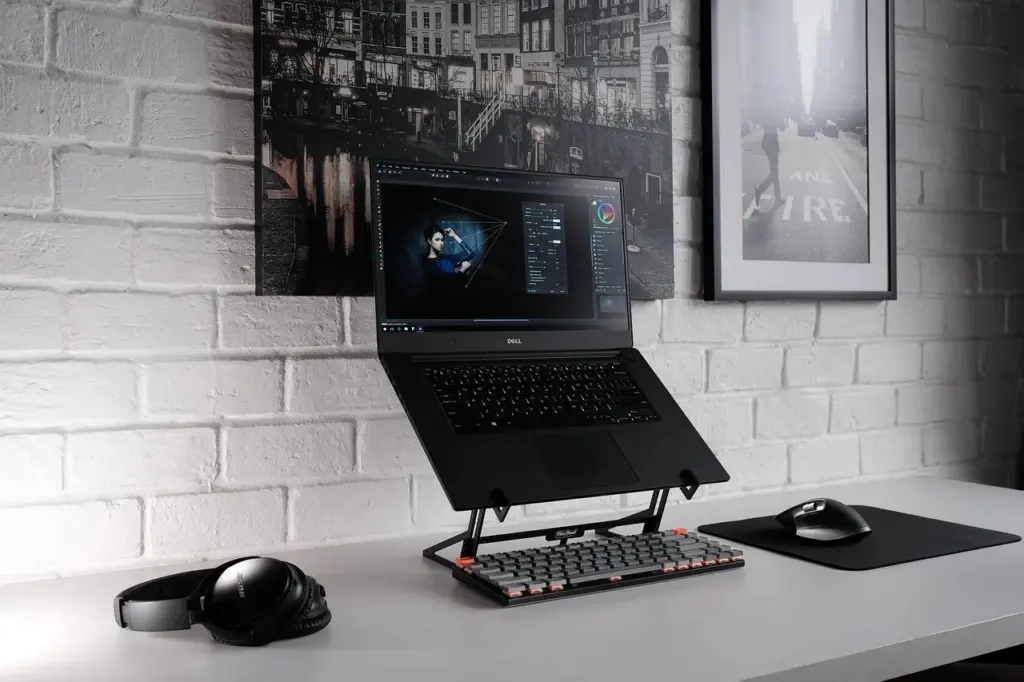
One article on the site uses the word differently. A piece titled “DefStartup: How Decentralized Tech Is Reinventing Gaming In 2026” treats a defstartup as a type of small team that builds games on open networks and pays players with tokens. That reading is the author’s own framing of the term and does not appear on the About page, so it is best taken as one article’s idea and not a description of the website.
Why the defstartup archive and event posts get searched
Two pieces draw most of the attention. The console gaming guide describes event calendars, forums, advice on strong passwords and two-factor authentication, and wired connections for steadier play. The archive article describes cataloguing retro hardware and software with scans and metadata, and says it works within copyright limits. Both describe services and features in the present tense, and the About page does not mention a forum, an event calendar or an archive, so a visitor should check what is actually available on the site before expecting any of those tools.
Articles on defstartup worth opening first
Several pieces are straightforward and useful even if the rest of the site is uneven. “What Was The First Gaming Console?” names the Magnavox Odyssey from 1972, explains its interchangeable game cards and paddle controllers, and notes the patent disputes that followed. It is a tidy history primer.
On the PC side, “Stunning Upgrades to Elevate Your Ultimate PC Gaming Setup” argues that moving from a 60Hz screen to a 144Hz or 240Hz panel is the most impactful single upgrade, and also covers colour accuracy and comfort. “Why More Gamers Are Financing Their Dream PC Instead of Waiting to Save” makes the case for spreading the cost of a gaming computer over payments, which is a financial choice you should weigh against your own budget. Be aware that some of these PC articles contain a passing reference to online baccarat, so there is a commercial angle even in the hardware writing.
A fourth article covers promo codes for a service called DSPCGamingSchool, described in terms of credits, item bundles and trial lessons. It advises redeeming codes only through official channels and watching for case sensitivity. Whether that service exists as a separate product was not shown on defstartup, so treat that article’s details with caution.
How the defstartup console and PC sections differ
The two gaming categories read differently. Console Gaming leans on community and history: event calendars, forums, account setup, retro hardware and the first console. PC Gaming is more consumer-facing, with upgrade ideas, financing, hosting for gamers and the promo code piece. Tech Help sits underneath both as the catch-all for fixes and explainers. If you need a quick answer on hardware, start in PC Gaming; for background reading, start in Console Gaming.
Articles carry author names such as Xylthoria Krynal and Vynthorak Krylos, and the dates run from early 2026 through to the end of September. Their 2026 guides share a structure of key takeaways followed by short sections, which makes them quick to skim but also makes different topics feel alike.
Off-topic items on defstartup.org
Not everything fits gaming. Headlines on the site include “Colorful Wolf NFT Shop Defstapurt”, a guide to DDoS flood mitigation, a biofuel robotaxi blueprint and a crystal piece with an unusual name. Several titles carry odd spellings of the site name, which suggests they were written to match search terms. Readers wanting dependable game advice will find the console and PC categories more useful than these.
How to judge defstartup before relying on it
The site publishes regularly and loads as a normal WordPress blog, and nothing on the pages read looked like malware or phishing. It names no owner or company, and the editor biographies give first names only. A small contact form and email address are the only ways to reach the team, and the page says messages usually get a reply within one business day. For a game purchase or a hardware decision, compare any advice with a manufacturer’s own pages.